Wedding flowers for Leamouth Peninsula venues
Posted on 14/10/2026
Wedding flowers for Leamouth Peninsula venues: a practical guide to elegant, venue-ready styling
If you are planning wedding flowers for Leamouth Peninsula venues, you are probably juggling a few moving parts at once: the look of the day, the layout of the room, the timing of deliveries, and the quiet worry that the flowers might not quite suit the space. Fair enough. Leamouth Peninsula has a distinctly London feel, and that means your flowers need to do more than look pretty in a photo. They need to sit comfortably in contemporary venues, work with natural light, and still feel personal when the room fills up and the music starts.
This guide walks through the choices that actually matter. You will find how wedding flowers work for local venues, what styles tend to suit the area, how to avoid expensive mistakes, and how to plan arrangements that feel cohesive from aisle to table. Truth be told, this is often where couples feel the pressure most. The good news? With a bit of structure, it becomes much easier.
Table of Contents
- Why wedding flowers for Leamouth Peninsula venues matter
- How wedding flowers for Leamouth Peninsula venues work
- Key benefits and practical advantages
- Who this is for and when it makes sense
- Step-by-step guidance
- Expert tips for better results
- Common mistakes to avoid
- Tools, resources and recommendations
- Law, compliance, standards, or best practice
- Options, methods, or comparison table
- Case study or real-world example
- Practical checklist
- Conclusion
- Frequently Asked Questions
Why Wedding flowers for Leamouth Peninsula venues Matters
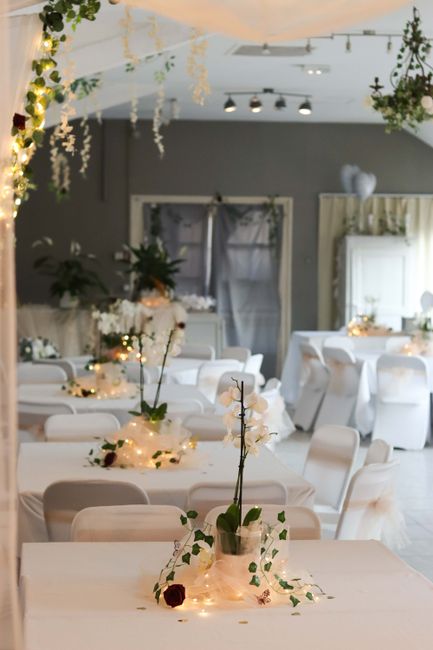
Wedding flowers are not just decorative extras. In a venue-led wedding, they help define the whole atmosphere. A flower choice can soften a minimalist room, bring warmth to glass and steel interiors, or add intimacy to a larger reception space that might otherwise feel a bit open and echoey. That matters especially in Leamouth Peninsula, where venues often lean modern, waterside, and light-filled.
Put simply: the flowers need to belong in the room. If they feel too formal for the space, they can look heavy. If they are too minimal, they may disappear. The sweet spot is a design that reflects the venue's architecture while still feeling unmistakably like your wedding.
There is also a practical side. In and around East London, access times can be tight, loading arrangements can be awkward, and the final styling window may be shorter than couples expect. So the floral plan has to work in real conditions, not just on the mood board. That's where thoughtful planning makes a real difference.
Expert summary: The best wedding flowers for Leamouth Peninsula venues are venue-aware, seasonally sensible, and simple to install. They should photograph beautifully, but also survive the logistics without becoming a headache on the day.
How Wedding flowers for Leamouth Peninsula venues Works
The process usually starts with the venue and the ceremony format. Are you in one room all day, or moving from ceremony to reception? Is the space intimate, or does it need large focal pieces? Will guests be seated at long tables, round tables, or a mixture? Those practical details guide everything else.
From there, the florist usually develops a floral plan around a few core elements:
- Bridal flowers such as the bouquet and any hair or wrist pieces
- Wedding party flowers including bridesmaid bouquets, buttonholes, corsages, and small personal florals
- Ceremony flowers like aisle accents, pedestal arrangements, end-of-aisle pieces, or a registrar table design
- Reception flowers including centrepieces, top-table arrangements, and feature displays
- Guest-facing details such as welcome arrangements, cake table florals, or staircase pieces where relevant
For many Leamouth Peninsula venues, the design has to be visually strong but not bulky. Clean lines, generous greenery, and carefully chosen focal blooms often work better than overly crowded arrangements. You will notice this especially in venues with polished floors, large windows, or contemporary interiors - the flowers have to earn their place.
Another part of how it works is timing. Fresh flowers need the right storage, the right handling, and a sensible delivery schedule. In practice, that means planning bloom selection, transport, and venue setup together rather than treating them as separate jobs. A bouquet that looks perfect in the florist's cooler but arrives too early and sits in the sun is not a win. Nobody wants that little drama before the vows.
Key Benefits and Practical Advantages
Well-planned wedding flowers do more than fill vases. They pull the whole event into focus. Here are the benefits that matter most when you are styling a Leamouth Peninsula wedding.
- They unify the venue styling. Flowers bridge the gap between dress, decor, tables, signage, and lighting.
- They soften modern interiors. A sharp-edged room can feel warmer and more romantic with the right palette.
- They improve photographs. Florals add depth, texture, and colour, helping portraits and table shots feel rich.
- They support the mood of the day. A relaxed spring palette feels very different from a dramatic late-summer look.
- They can be scaled to budget. Smart design often matters more than sheer quantity.
- They create memorable focal points. Guests tend to remember a beautiful bouquet wall, a ceremony urn, or a well-dressed top table.
There is also a subtle but important benefit: flowers help the day feel intentional. Even if guests never consciously analyse the arrangement, they feel the care behind it. That is hard to fake, and honestly, it is one of the nicest parts of the whole thing.
If you are working with a smaller budget, floral design still has room to shine. Choosing fewer, stronger arrangements can be more effective than spreading everything thin. In many cases, a few impactful pieces do more visual work than lots of little ones.
Who This Is For and When It Makes Sense
This kind of planning is for couples who want their flowers to feel integrated with the venue rather than added on at the end. It is especially useful if your Leamouth Peninsula venue has a modern, waterside, warehouse-inspired, or otherwise contemporary aesthetic.
It also makes sense if you care about:
- coordinating flowers with a colour palette
- making the venue look polished in photos
- staying in control of spend without losing impact
- avoiding last-minute styling stress
- matching different floral elements across ceremony and reception
This guide is equally useful for couples who love classic romance and for those who prefer something cleaner and more modern. You do not need a huge floral budget to make a venue feel special. You just need a plan that suits the room.
It is also helpful for planners, venue coordinators, and family members who end up helping on the day. The simpler and clearer the floral plan, the easier the setup. That sounds obvious, but in real life it saves a lot of rushing about.
Step-by-Step Guidance
1. Start with the venue shape and light
Walk the room if you can, or study the venue images closely. Look at ceiling height, table spacing, entrance points, natural light, and any fixed decor. A bright room with floor-to-ceiling windows will handle different colours differently from a dimmer, moodier space.
2. Decide what needs to be seen first
Not every floral element deserves equal weight. In some venues, the bouquet and top table matter most. In others, a ceremony backdrop or entrance arrangement will carry the visual story. Pick your priority areas first, then build around them.
3. Choose a palette that suits the setting
Soft whites, blushes, creams, and pale greens are reliable for most venues. But don't assume neutral always means safe. A richer palette - burgundy, plum, deep pink, or warm peach - can look stunning in a polished urban space. The trick is balance, not volume.
4. Select your flower mix
Most wedding designs benefit from a mix of focal flowers, supporting blooms, and texture. Roses, lilies, orchids, lisianthus, alstroemeria, hydrangeas, and seasonal stems each bring a different feel. A good florist will explain which flowers are likely to hold shape, which are delicate, and which may need extra care.
5. Match the formality level
If the venue is sleek and modern, overly frilly flowers can look out of place. If the space is more classic or romantic, very sparse arrangements may feel underdressed. Matching the formality level is one of those little things that makes a huge difference.
6. Confirm practical details early
Ask about delivery timing, setup access, vase hire, collection of containers, and whether flowers can be moved from ceremony to reception. This last point is important. Reuse is often the most efficient way to stretch a budget without losing style.
7. Build a day-of plan
Who receives the flowers? Where are they placed? Who moves them after the ceremony? A short written plan is better than a verbal memory that everyone assumes someone else has. On wedding mornings, memory is a slippery thing.
Expert Tips for Better Results
Here are the details that experienced couples tend to get right, and that weaker planning often misses.
- Think in zones, not just bouquets. Venue flowers work best when the room is split into visual zones: entrance, ceremony, dining, and focal points.
- Use one or two hero flowers. A signature bloom gives the design identity. Too many flowers fighting for attention can feel busy.
- Mind scale. Big venues usually need stronger statement pieces; small rooms need restraint to avoid feeling crowded.
- Use scent carefully. Strongly scented blooms can be lovely, but not if they compete with food or make guests uncomfortable.
- Plan for movement. If arrangements are being repurposed, they should be designed for easy relocation without damage.
- Ask what looks best in daylight and evening light. Some arrangements feel soft and dreamy in the morning but go flat under warm reception lighting.
A small example: a couple choosing flowers for a Leamouth Peninsula waterside venue once moved from a pale neutral palette to a slightly warmer ivory, peach, and green mix after seeing how the light reflected off the room. The result felt more inviting straight away. Nothing dramatic, just better. Sometimes that is all it takes.
And one more thing. If you are torn between "classic" and "modern", you do not have to pick a single lane. A clean modern structure with romantic blooms can be the best of both worlds. Lovely, really.
Common Mistakes to Avoid
Most floral problems are avoidable once you know what to watch for. These are the ones that crop up most often.
- Choosing flowers before knowing the venue. A bouquet idea is useful, but venue fit comes first.
- Ignoring logistics. Tight loading, awkward stairs, or limited setup windows can shape what is realistic.
- Over-ordering small arrangements. Lots of tiny pieces can dilute the visual impact and eat budget quickly.
- Forgetting the reception. Couples sometimes focus heavily on the ceremony, then realise the tables need just as much thought.
- Mixing too many styles. Rustic, minimalist, and luxe all at once can look confused unless handled very carefully.
- Not checking flower substitutions. Seasonal availability changes, and good florists will sometimes suggest alternatives. That is normal.
Another common issue is leaving the floral conversation too late. By the time the venue is booked, the gown chosen, and the table plan half-made, flowers become an afterthought. That is when choices feel rushed, and rushed choices are where mistakes sneak in.
Better to decide early what your flowers need to do. That gives you time to refine, not panic.
Tools, Resources and Recommendations
You do not need a giant planning system. A few simple tools can keep the floral process organised and calm.
- A venue mood board with room photos, lighting references, and table layout notes
- A colour reference sheet showing dress tones, linen colours, and any styling props
- A guest table plan so centrepiece sizing makes sense
- A delivery and setup checklist listing times, contact names, and access instructions
- A flowers list that separates essentials from nice-to-have extras
If you want to keep options open while still staying focused, browse a florist's wedding-specific collection rather than treating every floral product the same. For example, you can review wedding collections, compare bridal and bridesmaid options such as bridal bouquets and bridesmaid bouquets, or look at finishing pieces like buttonholes and table arrangements. That can help you see how the pieces work together rather than in isolation.
If you are looking for broader inspiration, browsing the wider wedding flowers Leamouth E14 selection can make it easier to understand what is possible without overcomplicating things. Sometimes a quick visual reset is all you need.
For couples still narrowing down style, useful starting points often include white-led designs, mixed-toned arrangements, and premium collections that can anchor the full look. And if you need support beyond weddings - say a delivery to a hotel, a gift for a parent, or a thank-you gesture after the event - the general florist pages like florist Leamouth E14 and flower delivery Leamouth E14 can help you keep everything in one place.
Law, Compliance, Standards, or Best Practice
Wedding flowers are not a heavily regulated service in the way some industries are, but there are still sensible standards and practical expectations worth respecting. In the UK, best practice usually includes clear pricing, transparent substitution policies, safe handling, and honest communication about delivery and setup. That sounds basic, yet it is exactly where a smooth wedding day begins.
For venue work, the florist should understand access rules, health and safety concerns, and any venue-specific restrictions. Some spaces limit open flames, require narrow delivery windows, or ask suppliers to avoid blocking exits and walkways. A good floral plan should respect those boundaries without turning the room into a compromise.
There is also the simple matter of care and condition. Fresh flowers should be delivered in a way that protects them from heat, crushing, and unnecessary handling. If containers are being hired, they should be stable and appropriate for the arrangements. If fragile blooms are used, they may need extra support. Common sense, really - but worth saying.
Finally, if you are agreeing specific colours or varieties, remember that natural product variation is normal. Exact shades can shift slightly with season and supply. A trustworthy florist will explain that clearly rather than pretending every stem is identical. That honesty matters more than a flashy promise.
Options, Methods, or Comparison Table
Not every wedding needs the same floral format. Here is a simple comparison of common approaches for Leamouth Peninsula venues.
| Approach | Best for | Strengths | Trade-offs |
|---|---|---|---|
| Minimal, high-impact design | Modern venues, tighter budgets, clean styling | Elegant, easy to place, often more budget-efficient | Needs strong placement to avoid looking sparse |
| Balanced ceremony + reception flowers | Most wedding formats | Works across the day, good value, cohesive look | Requires careful planning so nothing is overdone |
| Feature-led styling | Large rooms, statement weddings, photo-focused events | Big visual payoff, memorable, dramatic in pictures | Can be more costly and installation-heavy |
| Soft romantic layering | Intimate or classic weddings | Warm, textured, lovely in close-up shots | May need more flowers to create presence in larger rooms |
If you are unsure which approach fits, start with the venue scale and your top priority. Do you want the room to feel lush, airy, dramatic, or quietly elegant? That single decision can narrow the field fast.
Case Study or Real-World Example
Here is a realistic example based on the sort of brief that comes up often. A couple planning a Leamouth Peninsula wedding wanted a modern look without making the room feel cold. The venue had lots of glass, pale walls, and strong daylight at ceremony time, then softer lighting later in the evening. Their first instinct was all-white flowers everywhere.
After reviewing the space, the floral plan shifted slightly. The bouquet stayed mostly white, but the reception flowers introduced blush, green, and a touch of soft peach for warmth. The ceremony arrangement used taller shapes to suit the room height, while the tables kept to low, open designs so guests could talk easily across them. The buttonholes and bridesmaid flowers echoed the same tones, so the whole day felt joined up.
What changed the result most was not the number of flowers. It was the placement. The arrangements were concentrated where guests would actually notice them: the ceremony backdrop, the aisle entrance, the top table, and the first impression on arrival. The room felt finished, but not crowded. That balance is often the sweet spot for Leamouth Peninsula venues.
And yes, the photos looked better too. Not because the flowers shouted, but because they supported the scene properly. That is the bit people sometimes underestimate.
Practical Checklist
Use this checklist when finalising your floral plan.
- Have I confirmed the exact venue and room layout?
- Do I know which floral areas matter most?
- Have I chosen a palette that suits the space and season?
- Are the bouquet, buttonholes, and table flowers visually connected?
- Have I asked about delivery timing and setup access?
- Will any arrangements be moved from ceremony to reception?
- Do I understand what flowers may be substituted if needed?
- Have I allowed for vase hire, mechanics, or containers if relevant?
- Do I know who is responsible for moving or collecting items after the event?
- Have I checked that the flowers will still work in evening lighting?
If you can tick most of those off, you are in good shape. Not perfect perhaps, but properly prepared, and that counts for a lot on a wedding day.
Conclusion
Wedding flowers for Leamouth Peninsula venues work best when they are designed for the venue as much as for the couple. That means thinking about light, layout, movement, timing, and the mood you want guests to feel from the moment they walk in. The most successful designs are usually the ones that look effortless because the planning behind them was anything but.
Whether you are drawn to crisp whites, soft romantic blends, or a more dramatic contemporary palette, the right floral plan can make the whole celebration feel more polished and more personal. Keep the venue in mind, keep the practical details tight, and trust the moments where less does more. You will notice the difference, especially once the room starts to fill and everything comes alive.
Get a free quote today and see how much you can save.
And if you are still refining the look, it is perfectly normal. The best wedding plans usually come together one sensible choice at a time.
Frequently Asked Questions
What flowers work best for Leamouth Peninsula wedding venues?
Flowers that suit the venue's light and style tend to work best. For many Leamouth Peninsula venues, roses, lilies, orchids, lisianthus, hydrangeas, and mixed greenery are strong choices because they can feel elegant without overwhelming the room.
How far in advance should I book wedding flowers?
As early as you can once the venue and date are fixed. That gives time to refine the design, discuss seasonal availability, and plan delivery properly. Leaving it late usually makes decisions harder, not easier.
Can I reuse ceremony flowers at the reception?
Yes, and it is often a smart way to get more value from your budget. Many aisle flowers, feature arrangements, and pedestal pieces can be moved if they are designed with that in mind.
Are white wedding flowers always the safest choice?
White is classic, but not automatically the best fit. Some venues look better with warmer neutrals, blush, green, or subtle colour. The safest choice is the one that suits your room and lighting.
How do I keep floral costs under control?
Focus on a few high-impact areas rather than trying to flower every corner. Reuse arrangements where possible, keep the palette simple, and choose designs that are strong in shape rather than overloaded with volume.
What should I ask a florist before booking?
Ask about seasonal flower options, delivery timing, setup at the venue, substitution policy, vase hire, and whether arrangements can be repurposed. Those questions reveal a lot about how organised the service will be.
Do wedding flowers need to match bridesmaid dresses exactly?
No. They should complement each other, not compete. Exact matching can feel a bit stiff. Coordinated tones and textures usually look more natural in the final photos.
What if my venue has limited access or a short setup window?
Then the floral plan should be kept practical. Simpler installations, modular arrangements, and fewer moving parts usually work best. A good florist will adapt the design to the venue's access rules.
Can flowers be seasonal and still look luxurious?
Absolutely. Seasonal flowers often look fresher and more cohesive, and luxury comes from design quality, colour balance, and finish rather than price alone.
How do I make wedding flowers look good in photos?
Use flowers with shape and texture, place them where the camera will naturally see them, and avoid overcrowding. The best photo-friendly flowers usually have clear form and enough space to breathe.
Is it worth having flowers for the ceremony and reception?
Usually, yes, if they are planned well. Ceremony flowers create the first impression, while reception flowers carry the feeling through the rest of the day. Even a modest design can do both if it is thought through properly.
What happens if a flower I want is out of season?
A florist will normally suggest a suitable alternative that keeps the same feel, shape, or colour tone. That is standard practice, and in many cases the alternative can actually improve the design.
For couples planning in Leamouth Peninsula, the best approach is simple: choose flowers that respect the venue, support the mood, and stay practical behind the scenes. Get those three things right, and the rest tends to fall into place beautifully.