Extend the life of your cut flowers effortlessly
Posted on 07/06/2025
Extend the Life of Your Cut Flowers Effortlessly: Expert Tips and Tricks
Are you tired of watching your beautiful bouquets wilt within days of bringing them home? Preserving cut flowers isn't as tricky as it may seem. With the right techniques and a little care, you can extend the lifespan of your fresh-cut blooms and enjoy their beauty for much longer. In this comprehensive guide, you'll discover proven methods to make your cut flowers last longer-- all without much effort. Let's dive in!
Understanding the Factors That Affect Cut Flower Longevity
To effectively extend the shelf life of cut flowers, it's essential to understand what causes them to wilt prematurely. The primary factors include:
- Water quality: Dirty or bacteria-laden water accelerates decay.
- Cutting technique: How and when you cut stems affects absorption.
- Environmental conditions: Temperature, sunlight, and humidity play vital roles.
- Flower type: Some species naturally last longer than others.
Master these elements, and you're on the path to effortlessly prolonging the beauty of your bouquet.
The Ultimate Step-by-Step Guide to Extending the Life of Fresh Cut Flowers
1. Choose the Healthiest Blooms
Start by selecting the freshest flowers possible. Whether you're at a florist, market, or picking from your own garden, choose stems that show:
- Firm, perky petals, free from brown spots or wilting
- Strong green stems that aren't slimy or discolored
- No signs of mold or excessive pollen drop
*Tip: If buying roses, gently squeeze the base of the blossom. If it's firm, it's fresh; if it's squishy, it's past its prime.
2. Recut Stems Properly
Once home, recut each stem at a 45-degree angle using sharp scissors or a florist's knife. Why? Angled cuts increase the surface area for water uptake and stop stems from resting flat against the vase, which can block water absorption.
- Cut stems under running water or submerged, if possible, to prevent air bubbles from blocking the stem.
- Remove at least one inch from the ends, especially if the stems were out of water for some time.
3. Remove Lower Leaves
Any foliage that will be submerged in the vase water should be stripped away. Why is this crucial? Leaves in water quickly rot and promote bacterial growth, which shortens the life of your cut flowers.
- Strip all leaves from the lower half of each stem
- Regularly check for leaves that slip into the water and remove them promptly
4. Use a Clean Vase and Fresh Water
Cleanliness is perhaps the most effortless yet impactful way to increase the vase life of fresh cut flowers. Thoroughly wash your vase with hot, soapy water to eliminate any lingering bacteria from previous arrangements.
- Fill the vase with room temperature or slightly lukewarm water
- Change the water every two days, even if it still looks clear
5. Add Flower Food (or DIY Alternatives)
Most store-bought bouquets come with a packet of flower food. Don't skip it! This mixture contains the perfect blend of nutrients and bactericides to preserve cut flowers.
No packet? Use these DIY solutions:
- 1 teaspoon sugar (energy source for flowers)
- 1 teaspoon white vinegar or lemon juice (inhibits bacteria)
- A few drops of household bleach (prevents bacterial growth)
Mix these into a quart of water for an effective homemade flower food.
6. Avoid Direct Sunlight and Heat Sources
While flowers look lovely in a sunny spot, direct sunlight rapidly dehydrates blooms. Instead:
- Display arrangements in a cool, shaded area
- Keep away from radiators, heating vents, and appliances
- Never place flowers near ripening fruit -- ethylene gas speeds up flower aging!
7. Refresh and Prune Regularly
Even with the best care, blooms and stems change over time. To extend the life of your flower arrangement:
- Remove wilting or dried flowers as needed
- Re-cut stems every couple of days to maintain water uptake
- Top up with fresh water daily for optimal hydration
Insider Florist Secrets: Little-Known Hacks to Prolong the Beauty of Your Cut Flowers
Use Chilled Water for Certain Flowers
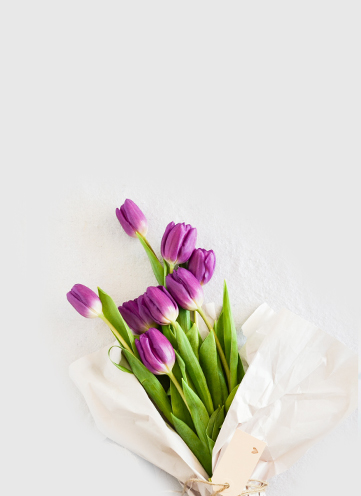
Flowers like tulips and daffodils prefer colder water. For these varieties, fill your vase with ice-cold water and even drop in a few ice cubes for longer-lasting freshness.
Give Woody Stems a Split
For blooms with tough, woody stems (like lilacs or hydrangeas), use garden shears to split the end of the stem vertically. This simple step maximizes surface area for better water absorption, keeping the flowers hydrated and beautiful.
Aspirin or Vodka: Myth or Miracle?
You've heard the tips: add aspirin or a few drops of vodka to extend flower life. While results are mixed, the principle is sound: these substances can help inhibit bacterial growth in the water. *Just remember--less is more!*
Mist Your Flowers Lightly
In dry home environments, gently misting flower petals can provide extra hydration, especially for delicate specimens like orchids and anemones.
Flower Types That Last the Longest
If you prioritize long-lasting flower arrangements, opt for varieties naturally bred for endurance. These stars of the vase can last well over a week with minimal care:
- Alstroemeria (Peruvian lily): up to 14 days
- Chrysanthemums: often 2+ weeks
- Carnations: up to 20 days
- Lisianthus: up to 2 weeks
- Orchids (cut stem): 10-21 days
- Freesia: 7-10 days
- Sunflowers: 6-12 days
Roses, lilies, tulips, and peonies are stunning but generally have a shorter vase life. Using the methods outlined here can still help them last several days longer than usual.
The Role of Temperature in Flower Longevity
Temperature plays a huge role in cut flower survival. Cooler temperatures slow the aging process, so:
- Store arrangements in a cool spot overnight -- some even refrigerate bouquets (ideally above 40?F / 4?C to prevent chill damage)
- Avoid sudden temperature changes; flowers dislike drafts or hot gusts from vents
How Often Should You Change the Water?
Changing the vase water is non-negotiable for keeping blooms stunning. Push yourself to make it a daily or every-other-day ritual -- your flowers will reward you with extended vitality.
- Rinse the vase thoroughly and refill with tepid water and fresh flower food
- Never top up with water only; always give those stems clean, oxygenated water
Common Mistakes That Kill Cut Flowers Early
Don't sabotage your own flowers! Avoid these pitfalls that can doom your arrangement:
- Using dull, crushing scissors that smash rather than slice stems
- Neglecting to remove foliage below the water line
- Exposing blooms to excessive sunlight or fruit bowls
- Forgetting to change the vase water regularly
- Overcrowding stems in a vase (this causes bruising and limits air circulation)
Extend Cut Flower Life with Minimal Effort: Quick-Reference Checklist
- Choose the freshest flowers possible
- Re-cut stems at a 45-degree angle
- Remove all leaves below water level
- Use a spotless vase with fresh, clean water
- Add flower food or a homemade substitute
- Change water and recut stems every 1-2 days
- Keep flowers in a cool, shaded place
- Remove dying blooms to prevent decay
Frequently Asked Questions About Prolonging Cut Flower Life
Do pennies really make flowers last longer?
A popular old wives' tale, but copper pennies minted after 1982 contain mostly zinc, not copper. Copper is a natural fungicide, so if you find an older penny, it might offer a slight benefit, but science doesn't strongly support this method.
Can I use sugar or soda for flower food?
Sugar provides energy, but alone, it can promote bacterial growth. Use sugar with an acid (like lemon juice) and a drop of bleach for best results.
Is it OK to keep flowers in the fridge overnight?
Yes, for most flowers! Fridge storage overnight (as long as there's no fruit inside) slows respiration and prolongs life. Just avoid chilling-sensitive varieties like tropical flowers.
The Effortless Path to Longer-Lasting Bouquets
Whether you're treating yourself to fresh flowers or gifting a bouquet to a friend, knowing how to extend the life of your cut flowers effortlessly turns a fleeting pleasure into a lasting delight. With just a few smart steps -- clean vases, proper stem trimming, fresh water, and cool storage -- you'll enjoy stunning blooms for far longer than you thought possible.
Ready to make your next bouquet last? Apply these tips, experiment with different combinations, and share your own favorite tricks. With minimal effort, you can transform your cut flowers from a short-lived display into a centerpiece of lasting beauty!
Share Your Blossoming Success!
Did these techniques help prolong the life of your fresh cut flowers? Share your results and photos in the comments below or tag us on social media! Let's keep every bouquet beautiful, vibrant, and long-lasting.